Car Accidents Caused By Speeding
Fatal Car Accidents Caused By Speeding
Speeding is one of the most common traffic violations in Texas and has played a part in one-third of all motor vehicle fatalities. Excessive speeding reduces a driver's ability to react to dangerous situations and the ability of road safety structures, such as guardrails and median dividers, to protect vehicle occupants in a crash. A driver who causes an accident may be charged with a speeding-related offense for racing, driving too fast for conditions, or exceeding the posted speed limit. Anyone injured in a speeding accident may be entitled to receive compensation for medical expenses, lost wages, and emotional pain and suffering.

At Miller Weisbrod Olesky, our personal injury lawyers are prepared to support and guide victims and their families during this often-complicated legal process. Our car accident legal team is led by a Personal Injury Trial Law Specialist, certified by the Texas Board of Legal Specialization. Less than 3% of all Texas attorneys are board-certified and an even smaller number have personal injury trial law certification.
If you have been injured or suffered the wrongful death of a family member, the car accident lawyers at Miller Weisbrod Olesky can provide you with the legal guidance and support you need to protect your rights and maximize your chances of receiving compensation for your injuries and losses. We have long-history multi-million dollar results on behalf of hundreds of Texans in personal injury and wrongful death cases.
How Does Speeding Contribute to Car Accidents?
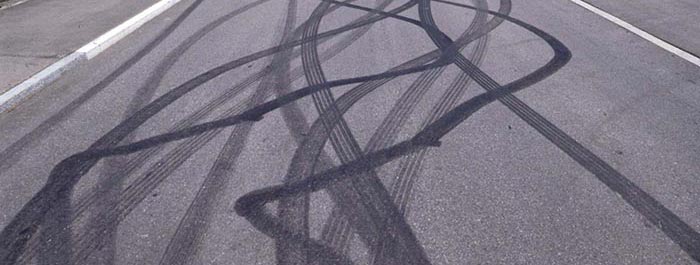
Speeding contributes to an accident in a number of ways. When drivers exceed the speed limit, they will require a greater distance to stop and are often confronted with obstacles, making it challenging to react appropriately to perceived dangers. For example, a speeding driver may not have enough time to stop for a red light and not have ample time to slow down when traffic suddenly stops ahead of them. Additionally, a speeding driver may only have a split second to maneuver out of the way of a pedestrian, stopped traffic, or a pothole.
According to the Insurance Institute for Highway Safety, speeding increases the risk of crashes by:
- Increasing the distance a vehicle travels between the moment a driver recognizes an obstacle or emergency and their reaction.
- Increasing the distance a driver needs to stop a vehicle once they start to brake.
- Increasing the energy expended during the impact of a crash.
Since speeding reduces the effectiveness of seat belts and airbags, high-speed collisions typically lead to higher rates of injuries such as whiplash, concussions, brain injuries, and neck and spinal injuries. Furthermore, in high-speed crashes, the impact of the force can be so great that the vehicle's structure is unable to protect the driver and passengers. A speeding driver traveling through intersections, neighborhoods, and school zones places pedestrians and bicyclists at greater risk of life-changing injuries and even fatalities.
Common Speeding Injuries in Texas Car Accidents
Those involved in speeding-related accidents often suffer a wide range of injuries- many of which require weeks of hospitalization, years of physical therapy, or even extensive surgery.

Some of the most common injuries in speeding-related crashes include the following:
- Traumatic brain injuries (TBIs)
- Spinal cord injuries
- Broken or fractured bones
- Loss of limbs
- Internal bleeding
- Soft tissue injuries
- Whiplash
- Concussions
- Internal organ injuries
- Lacerations
- Burns
- Joint injuries
- Psychological trauma
- Nerve damage
- Permanent disfigurement or scarring
- Disability
It is not unusual for victims of speeding-related car accidents to receive medical bills for tens or even hundreds of thousands of dollars. If you suffered an injury in a car crash caused by a distracted, fatigued, or speeding driver, our auto accident attorneys can investigate the accident and determine who should be held accountable.

Car Accident Compensation Available in Speeding Accidents
When you suffer injuries at the hands of a speeding driver, underestimating the severity of your injuries and your expected healthcare costs is not uncommon. As a result, you may have to pay many of your medical bills out of pocket.
That amount of your expected compensation award will depend on various factors, such as the severity of the accident and the nature of your injuries. When you hire one of our car accident attorneys, you can expect us to get to work analyzing your case, gathering the evidence to determine that speed contributed to your accident, and demanding enough compensation from the at-fault party.
Our car accident lawyers can help you hold the at-fault driver accountable for the following types of damages:
- Current and future medical expenses
- Property damage
- Lost earning capacity (past and future)
- Emotional pain and suffering
- Disfigurement or physical impairment
- Wrongful death damages
- Loss of consortium
If the driver acted especially recklessly at the time of the accident, you might be entitled to punitive or exemplary damages. Punitive damages are a form of compensation meant to punish the liable driver for their actions and deter others from engaging in the same practices in the future.
Steps to Take After a Speeding Accident
The sooner you pursue legal action after a speeding-related action, the better your chance of obtaining the evidence you need for full and fair compensation for your injuries and losses. If you're involved in an accident with a speeding driver, taking the following steps can help protect your legal rights.
- Ensure that neither you nor your passengers are injured: If you were involved in a car accident where someone was injured or killed, do not leave the scene of the accident until the police arrive. Call 911 if you need medical assistance immediately or ask someone to call on your behalf if your injuries are serious. Check on the well-being of your passengers, and if anyone is injured, get on the phone with emergency services.
- Get to a safe location: If your car is safe to drive, avoid blocking traffic by moving your vehicle to a secure location. In the case of a more severe crash, you should get out of your car and make your way to safety.
- Exchange information with those involved: Once you've moved to a safe location, take down the names, addresses, phone numbers, insurance information, and license plate number of the other driver(s).
- Gather evidence: Take photographs and videos of the accident scene, damage to your vehicle, and any visible injuries and road conditions that could have contributed to the accident. Collect their names and contact information if any witnesses were at the scene.
In addition to gathering evidence, keeping a car accident journal documenting everything you experience as a result of the accident, including time away from work, missed vacation, and any emotional turmoil you've experienced, can be helpful when you have to explain your damages to an adjuster or jury. Memories fade, and while you may think you'll never forget the details of your injuries and how the accident disrupted your life, keeping a diary can help protect your claim.
- Keep records of your damages: You should maintain any documentation associated with the accident, such as medical records that can serve as evidence of your injury. Keep copies of doctor bills, prescriptions, test results, imaging tests, or physician reports. Hold onto as many records as possible to help prove your current lost income and potential future losses. As a rule of thumb, you should retain records starting from about 3-6 months before the accident.
Additionally, until you receive your settlement, you'll want to hold on to a copy of the police report, which may include eyewitness accounts, contact information for all involved, and other vital details proving your case. Forward these documents to your attorney so they can determine whether to use them as evidence and provide complete records to the insurance company.
- Inform your insurance company of the accident: While you may assume that reporting a car accident to your insurance provider will drastically affect your premiums, informing your provider of the accident is critical if you hope to receive adequate compensation. To experience a smoother and faster claim evaluation process, provide your insurance provider with all critical details, documents, bills, and photos.
While filing a claim is the right course of action to acquire proper compensation, never make an offer or accept any payment from the other party ahead of time. You should also be careful when exchanging details with the other party's insurer. Consider consulting with an attorney if they ask for more information than is necessary or attempt to entice you with an early settlement.
- Hire a speeding accident lawyer: Immediately after a speeding-related crash, you should consult with and hire a car accident attorney to take over the responsibility for your case while you focus on treating your injuries. Our attorneys know exactly where to look and who to speak with to locate all pertinent evidence to build a successful claim and can determine the available insurance coverage, file a claim, and negotiate a settlement on your behalf.
Filing a Wrongful Death Case in a Speeding-Related Car Accidents
Wrongful death lawsuits seek to reimburse a surviving spouse, children, parents of the deceased, executors, or personal representatives for damages caused by the death of their loved one. In Texas, wrongful death is defined as a death caused by the wrongful, negligent, or careless actions of another person. To successfully file a wrongful death lawsuit in Texas, you must demonstrate that the offender owed the deceased a duty of care and breached that duty resulting in the death of your loved one and subsequent damages.
Depending on the circumstances leading to the death, you should look to obtain different types of evidence such medical records, autopsy and police report, pay stubs and tax returns, physical evidence, and the death certificate stating the decedent’s cause of death. This type of evidence shows how the deceased died, who was liable for the death, and the financial losses incurred following the death.
Expert witnesses can use their expertise to prove the elements of negligence by explaining complex concepts and provide credible testimony to strengthen your case. Depending on the cause of the death, there are multiple type of expert witnesses you can engage including accident reconstructionists, economists, and forensic engineers. In a wrongful death lawsuit, compensation sought to alleviate the emotional and financial burdens placed on the surviving family members may include medical expenses, funeral and burial costs, loss of income, loss of companionship, loss of services, and mental anguish. If you want to try and recover compensation for the loss of a loved one, you must file a lawsuit within two years of the deceased’s death to file a wrongful death claim, usually starting the day of your family member’s death.
Texas Speeding Accident Statistics
The number one factor in roadway crashes in the state was speed. In 2022, a third of the people killed on the road were in a crash that involved speed. On Texas roads, this translates to 1,469 lives lost in speed-related related crashes. From 2012 to 2020, 7,413 traffic fatalities were linked to excessive speed in Texas, accounting for 31% of all speed-related traffic fatalities in the state.
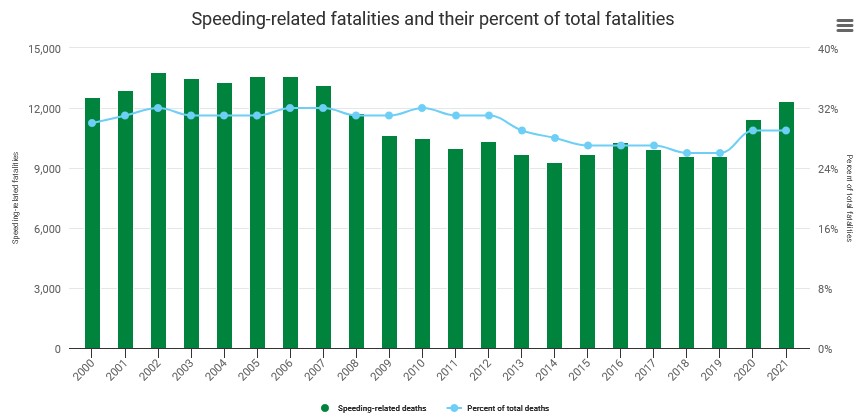
What Age Groups Cause the Most Accidents?
Fatal crashes in 2012 decreased as the age of the driver increased. Across all age groups, the number of female drivers who sped was smaller than that of male drivers. 30% of teenage and young adult male drivers ages 16-24 were more likely to be speeding at the time of fatal crashes. On the other hand, 17% of female drivers aged 16-20 and 18% aged 21-24 were involved in fatal car accidents where speeding was a contributing factor.
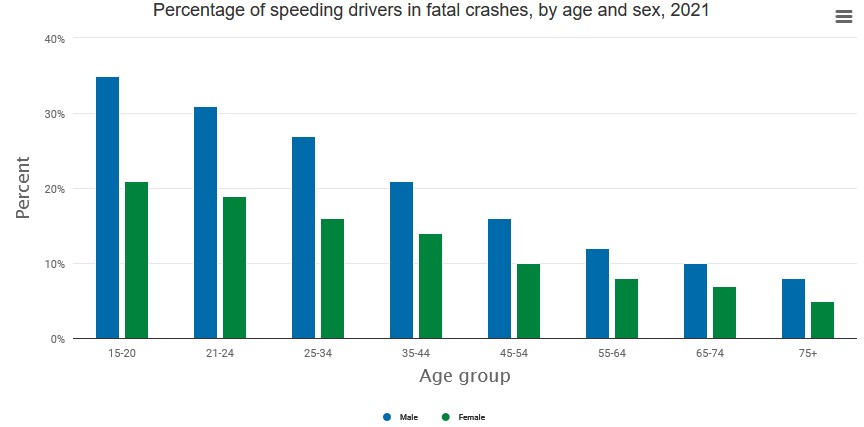
Where Do Most Accidents Occur?
Accidents happen most frequently on local roads than on interstates, freeways, and expressways. Speeding on interstate and non-interstate freeways and expressways makes up just 17% of speeding-related fatalities. Accidents at high speed on non-interstate local, principal, and minor arterials account for 63% of speed-related traffic crash fatalities.
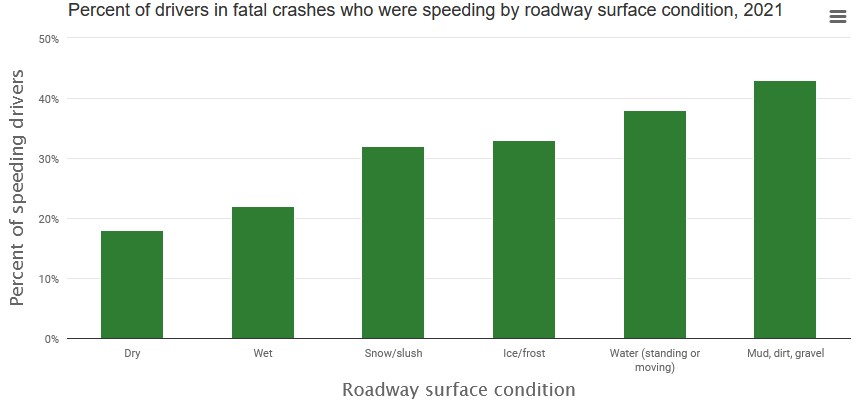
High-speed car accidents are more prevalent in East Texas compared to other parts of the state. Between 2018 and 2020, the top five counties in Texas saw a combined 3,453 fatal car accidents, which accounted for 34% of all fatal accidents. In Harris County, there were 1,221 fatal accidents, with I-45 being the deadliest road in the area.
Dallas Fatal Speeding Accidents
4.67 annual speeding fatalities per 100,000 residents.
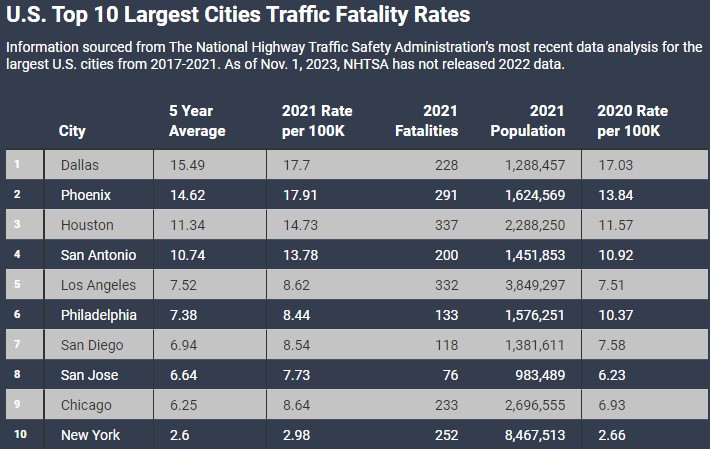
According to an investigation conducted by NBC Dallas-Fort Worth, among the 10 largest cities in the United Stated, Dallas had the worst traffic fatality rate. For every 100,000 people from 2017 to 2021, Dallas averaged about 15 traffic deaths for every 100,000 people. A Texas Department of Transportation analysis complied by NBC (DFW) also revealed that speed was the number one contributing factor to deadly crashes in the city. In 2023, the Dallas Police Department issued more than 48,000 tickets to speeding drivers.
Houston Fatal Speeding Accidents
640 Houston residents a year die from traffic-related accidents.
According to the 2021 annual report by Houston Vision Zero, on the city’s streets, there were a total of 331 total fatalities and 1,620 serious injuries. This translates to someone losing their lives nearly every day and close to five people suffering a serious injury in a traffic crash on Houston streets daily. Since 2018, pedestrians and driver/occupant deaths increased by 67%. The top contributing factors in Houston in 2021 was speed, distracted driving, impairment, disobeying traffic signals, and unsafe driving maneuvers. In over 30% of crashes involving serious injury and fatal crashes speed was indicated as the top contributing factor.
San Antonio Fatal Speeding Accidents
3.68 annual speeding fatalities per 100,000 residents.
In 2022, the Texas Department of Transportation reported that speeding-related fatalities increased by 5.5% in 2022, even though fewer people were involved in speed-related crashes in the previous year. In Texas counties including Atascosa, Bandera, Bexar, Comal, Frio, Guadalupe, Kendall, Kerr, McMullen, Medina, Uvalde, and Wilson there were a total of 10,945 traffic crashes last year, 115 of which resulted in deaths. In more than 162,000 roadway crashes in Texas, killing 1,469 people, speed was cited as a contributing factor.
Drunk Driving and Speeding
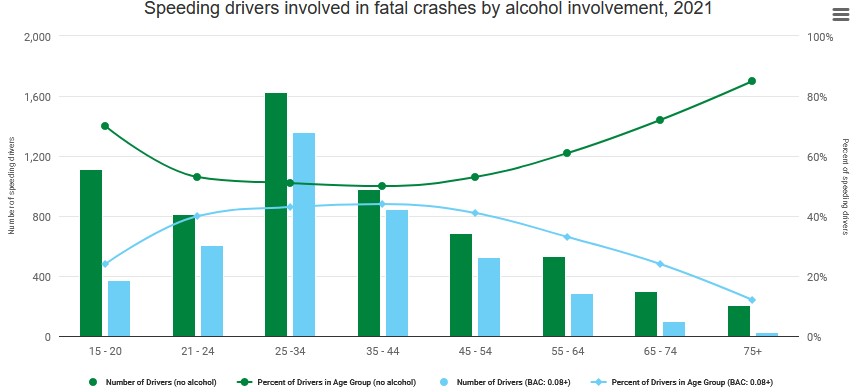
Speeding and alcohol impairment often go hand-in-hand. Speeding drivers between the ages 21-24 are most often involved in speeding-related fatal crashes while under the influence of alcohol. While over 40% of drivers ages 21-44 are impaired and involved in speeding-related accidents, the percentage of alcohol-impaired drivers falls sharply to 33% among 55- to 64-year-old drivers.
How a Car Accident Lawyer Can Help?
The Car Accident Lawyers of Miller Weisbrod serve the needs of car accident and injury victims in Texas. Our dedicated investigative legal team is ready to gather the necessary evidence to determine the cause of your accident. Our car accident attorneys offer aggressive and experienced representation to victims of injuries and their families involved in speeding-related crashes. For more information, we invite you to call us at (214) 987-0005 for a free consultation with one of our experienced personal injury trial lawyers. If you are calling from anywhere else in Texas, please call us toll-free at (888) 987-0005. You may also fill out the form on this page to set up your free case evaluation.
Meet The Leader In Car Accident Litigation
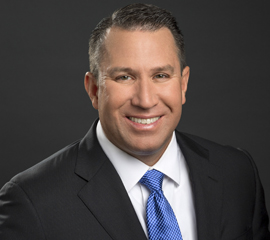
With a 30-year history heading the Car Accident Department of Miller Weisbrod Olesky, firm partner Clay Miller has a proven record of holding negligent parties accountable and achieving multi-million dollar settlements and court verdicts for his clients. Clay has been consistently listed in Super Lawyers as one of the Best Lawyers in Texas, published in Texas Monthly, for over 15 years.
Clay is regularly invited to speak to Trial Lawyer Groups around Houston and across the state of Texas on the topics of motor vehicle accident laws, trial tactics and techniques, and how to prepare evidence and a winning legal strategy in Car Accident Cases throughout Texas. Clay was the featured speaker for the Texas Trial Lawyers Association on the new changes to trucking laws passed by the state of Texas.
Our car accident legal team includes Josh Birmingham, who is currently on the Dallas Trial Lawyers Board of Directors and served as the president of the Mesquite Bar Association for four years. Josh was named Thomson Reuters | Texas Super Lawyers Rising Star in 2016 and 2017.
We also have on our team Michael Orth, a board certified personal injury trial lawyer who has spent the last decade representing injured Texans and their families. Michael’s success in scores of personal injury cases across federal and state courtrooms has earned him the coveted Board Certification in Personal Injury Trial Law by the Texas Board of Legal Specialization.
Led by a formidable legal team with an extraordinary record of court verdicts and settlements in car accident cases, Miller Weisbrod Olesky is regularly recognized by the US News and World Report as one of the top injury law firms in the United States.
Miller Weisbrod Olesky Texas Car Accident Lawyers

Miller Weisbrod Olesky
Miller Weisbrod Olesky's Personal Injury Lawyers help individuals and families nationwide pursue real financial recovery after another's negligence causes an accident or medical mistake that results in serious personal injury or wrongful death.
Call our offices today at (888) 987-0005 for experienced assistance in a free consultation.
Useful Links
Testimonials
- Ms. Rosen: Mr. Weisbrod did a wonderful job on my son's case. I only wished that I had come to him sooner.
- A. Springs: Mr. Weisbrod was a delight to work with. His knowledge and memory was exceptional. He treated my case with sensitivity and care and I was always confident and never doubtful that he would win my case.
- D. Garcia: Whether you're in Dallas, Houston, or Austin, across Texas or around the nation, putting Miller Weisbrod Olesky on your legal team will push parties to settle.
Locations
★ Dallas
11551 Forest Central Drive, Suite 300
Dallas, TX 75243
★ Houston
12929 Gulf Freeway, Ste 111
Houston, TX 77034