Injuries Caused by Electrocution
Types of Injuries Caused By Electrocution
Construction sites in Texas can be fraught with electrical hazards, posing significant risks of electrocution or electrical shock injuries. Unfortunately, these risks are often exacerbated by the negligence of general contractors, subcontractors, construction companies, and third parties involved in the project. From improperly installed wiring to inadequate safety protocols, shortcuts and oversight can lead to devastating consequences.
Electrocution Accident Lawyers Near Me
Texas construction workers face potential harm when necessary precautions are neglected. In such environments, the responsibility for safety rests squarely on the shoulders of those managing and overseeing the project. Electrical shock and burn injuries can have life-altering consequences, leaving victims and their families grappling with physical, emotional, and financial challenges.
At Miller Weisbrod Olesky, our Texas construction site electric shock injury lawyers are committed to providing strong legal representation and unwavering support to those affected by such tragic incidents and pursuing the maximum financial damages on their behalf from the liable parties.
Electrical Shock Injury and Electrocution
The Leading Construction Hazards in Texas
In 2019, the National Fire Protection Association (NFPA) released a report that utilized data from the US Bureau of Labor Statistics and the Census of Fatal Occupational Injuries (CFOI).
This report brought to light that between 2012 and 2016, a notable 77% of the 325 cases involving electrical shocks and burns to workers were directly linked to the construction industry (NFPA 2018). Of these recorded incidents, almost 60% were attributed to direct contact with electrical sources. Notably, the construction sector holds a substantial share of the yearly tally of electrical injuries occurring within the United States.
Electrocution and Electrical shock hazards have been incorporated into the Occupational Safety and Health Administration’s Focus Four Hazards for construction, underscoring the serious nature of this danger for construction workers. OSHA conducts numerous inspections at construction sites annually. A significant proportion of OSHA's most frequently cited violations pertain to electrical safety matters, encompassing wiring methods, lockout/tagout procedures, and general electrical requirements.
The annual count of electrocutions and electrical injuries in the construction industry is equivalent to the combined number across all other industries each year. (Zhao, Thabet et al. 2012)
Burn Injuries Due to Electrical Hazards at Construction Sites in Texas
Burn injuries at Texas construction sites due to electrical hazards can occur when workers come into contact with live electrical sources or equipment. Construction sites often have a combination of high-voltage power lines, machinery, and equipment, making the risk of electrical shocks and subsequent burns a serious concern. Burn injuries resulting from electrocution fall under the purview of various OSHA standards that focus on electrical safety, hazard identification, and prevention
29 CFR 1926 Subpart K - Electrical: This subpart specifically addresses electrical safety in construction settings. It includes requirements for the safe use and maintenance of electrical equipment, grounding, and protection against electrical hazards. Subpart K also outlines measures to prevent burns and other injuries resulting from electrical incidents at construction sites.

Types of Burn Injuries that can Occur with Electrical Construction Site Accidents
Burn injuries resulting from electrical hazards and electrical shock at construction sites can vary in severity depending on factors such as the voltage of the electrical source, the pathway of the current through the body, the duration of exposure, and the availability of immediate medical care. Here are the different types of burn injuries that can occur due to electrocution at construction sites:
- Electrical Burns: Electrical burns occur at the point of contact between the electrical source and the body. These burns can be relatively minor, causing redness, blisters, and superficial skin damage. With that said, they can also be severe, leading to deeper tissue damage, charring, and even necrosis (tissue death).
- Flash Burns: Flash burns result from exposure to intense heat generated by an arc flash or electrical explosion. These burns can affect the face, neck, and upper body and often cause superficial to deep tissue damage. Flash burns are a common outcome of arc flashes, which produce a sudden burst of heat and light.
- Flame Burns: Flame burns occur when clothing or other materials catch fire due to an electrical fault or arc flash. Workers' clothing can ignite, causing burns to the skin underneath. Flame burns can be severe, leading to extensive tissue damage and scarring.
- Thermal Burns: Thermal burns are caused by the heat generated by the electrical current as it passes through the body. The heat can cause significant damage to the skin and underlying tissues, potentially leading to third-degree burns and complications like infection or even amputation.
- Contact Burns: Contact burns occur when a worker comes into direct contact with a hot surface or object that has been energized by electrical current. These burns can result from touching equipment, machinery, or structures that have become overheated due to electrical faults.
- Conduction Burns: Conduction burns happen when the body becomes part of an electrical circuit due to direct contact with an energized object. The electrical current can flow through the body, causing burns along the path the current takes.
- Entrance and Exit Burns: When the electrical current enters and exits the body, it can cause burns at both points. The entrance point is usually the point of contact, while the exit point is where the current exits the body. These burns can vary in severity depending on the current's path and the tissues it passes through.
- Internal Burns: In some cases, the electrical current may pass through internal organs, leading to burns and damage that might not be visible externally. These burns can have serious consequences and require immediate medical attention.
How Burns can Result from Electrical Injuries at Construction Sites
Contact with Live Wires
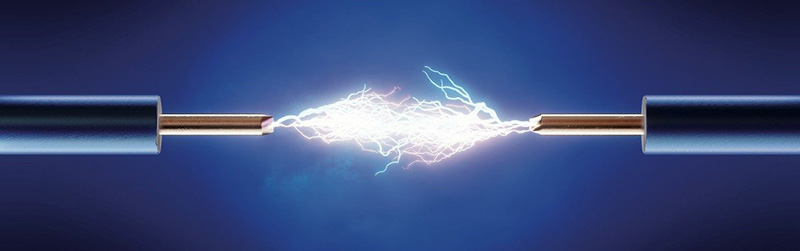
Construction sites can have overhead power lines or exposed electrical wiring. If a worker comes into direct contact with live wires, the electrical current can flow through their body, causing burns at the point of contact and potentially along the current's path. These burns can range from mild to severe, depending on the voltage and duration of exposure.
Arc Flash and Arc Blast
Arc flashes occur when a sudden discharge of electrical energy travels through the air or metal, producing a bright flash of light and intense heat. Arc blasts are the pressure waves and shrapnel produced by an arc flash. These phenomena can cause severe burns to exposed skin, as well as ignite flammable clothing or materials nearby.
Equipment Malfunction
Construction equipment such as power tools, generators, and machinery can malfunction, leading to electrical faults. If a worker is using or near malfunctioning equipment, they may be at risk of electric shock and resulting burns.
Improper Grounding
Faulty grounding or inadequate insulation of equipment can lead to the conduction of electrical current through metal structures or equipment. If a worker touches this metal, they can be subjected to an electric shock and potential burns.
Wet Conditions
Construction sites often involve wet or damp environments due to weather conditions or the nature of the work. Water can conduct electricity, increasing the risk of electrocution and burns. Wet clothing can also increase the severity of burns as water can enhance the conduction of electricity.
Electrical Fires
Electrical faults or sparks can ignite flammable materials, leading to fires that can cause burns to workers and property damage.
Explosive Vapor Ignition
In certain construction settings, such as those involving volatile chemicals or gases, an electrical spark can ignite these substances, causing explosions and subsequent burns.
Cardiac Arrest Due to Electrical Shock at Construction Sites in Texas
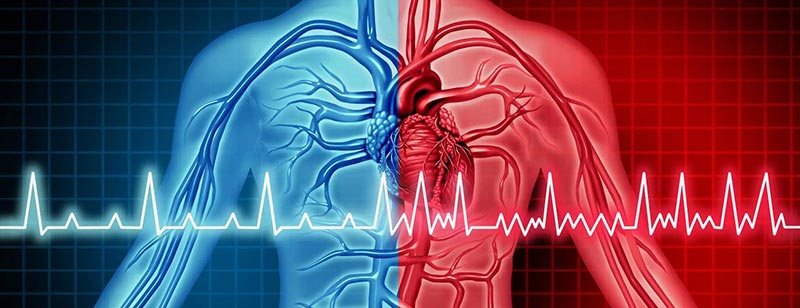
Cardiac arrest is a potentially life-threatening medical emergency that can occur as a result of electrocution at construction sites in Texas. When a construction worker is exposed to an electrical shock, particularly from high-voltage sources, the electrical current can disrupt the normal electrical signals of the heart. This disruption can lead to arrhythmia (irregular heartbeats) and, in severe cases, cardiac arrest, where the heart stops pumping blood effectively. The prevention of cardiac arrest due to electrocution falls under the broader scope of electrical safety regulations outlined by OSHA.
29 CFR 1910 Subpart S - Electrical: This subpart provides general requirements for electrical safety in the workplace, including measures to prevent electrical shock and the resulting potential for cardiac arrest. It covers the design, installation, and use of electrical equipment, as well as safeguards against electrical hazards.
How Cardiac Arrest can Occur with Electrocution
- Electrical Disruption: When a person is exposed to an electrical shock, the electrical current can interfere with the heart's natural pacemaker, which coordinates the heart's rhythm. This interference can lead to abnormal heart rhythms, such as ventricular fibrillation, where the heart quivers rather than beats effectively.
- Ventricular Fibrillation: Ventricular fibrillation is a life-threatening arrhythmia in which the heart's lower chambers (ventricles) start to fibrillate, or contract in a disorganized manner. This results in an ineffective pumping of blood, which can quickly lead to unconsciousness and death if not treated promptly.
- Asystole: Asystole, also known as flatline, is a state where the heart completely stops beating. It can occur as a result of the disruption of electrical signals caused by the electrical shock. Asystole is a dire situation that requires immediate intervention to restore normal heart function.
- Lack of Blood Flow: Cardiac arrest can quickly lead to a lack of blood flow to vital organs, including the brain. Without proper oxygen and nutrient supply, irreversible brain damage and death can occur within minutes.
Neurological Injuries Due to Electrical Injuries at Construction Sites
Neurological injuries resulting from electrocution at construction sites can have serious and lasting effects on the victim’s nervous system and overall health. When a person is exposed to electrical shock, the electrical current can disrupt the normal functioning of nerves and neurons, leading to a range of neurological problems. The severity of these injuries depends on factors such as the voltage of the electrical source, the pathway of the current, the duration of exposure, and the individual's overall health.
Anyone that has sustained a serious electrical shock should be followed closely for a traumatic brain injury (TBI). The symptoms of an electrical shock traumatic brain injury (TBI) may not be noticed for weeks or months after a serious electrical shock. Family members should closely monitor their loved ones for subtle signs of a TBI.
29 CFR 1910.335 - Safeguards for Personnel Protection: This OSHA standard outlines general safety-related work practices and requirements for safeguarding workers against electrical hazards. It emphasizes the use of personal protective equipment (PPE) and safe work practices to prevent neurological injuries due to electrocution.
Types of Neurological Injuries that can Occur with Electrical Shock Accidents
- Nerve Damage: Electrical shock can damage peripheral nerves, which are responsible for transmitting signals between the central nervous system (brain and spinal cord) and the rest of the body. Nerve damage can lead to pain, numbness, tingling sensations (paresthesias), muscle weakness, and loss of sensation in the affected areas.
- Central Nervous System Effects: Severe electrical shocks can impact the central nervous system, including the brain and spinal cord. This can result in neurological deficits such as cognitive impairment, memory problems, difficulty concentrating, and mood disturbances.
- Seizures: Electrical shock can trigger abnormal electrical activity in the brain, leading to seizures. Seizures can cause muscle spasms, loss of consciousness, and other symptoms depending on the region of the brain affected.
- Motor Dysfunction: Damage to the nerves that control muscle movement can lead to motor dysfunction, causing weakness, paralysis, or involuntary muscle contractions (spasms or dystonia).
- Sensory Abnormalities: Electrical shock can disrupt sensory pathways, leading to alterations in how an individual perceives touch, temperature, and pain. This can result in abnormal sensations, such as hypersensitivity or decreased sensitivity to stimuli.
- Neuropathic Pain: Nerve damage caused by electrocution can lead to chronic neuropathic pain, characterized by shooting or burning pain, tingling, and sensitivity to touch. This type of pain can be severe and challenging to manage.
- Balance and Coordination Issues: Disruption of the nervous system's control over balance and coordination can lead to difficulties with walking, maintaining balance, and performing coordinated movements.
- Autonomic Nervous System Dysfunction: The autonomic nervous system controls involuntary bodily functions like heart rate, blood pressure, digestion, and temperature regulation. Electrocution can disrupt autonomic function, leading to issues such as irregular heart rate, blood pressure fluctuations, and problems with temperature control.
- Cognitive Impairment/Traumatic Brain Injury: Severe electrical injuries can impact cognitive function, including memory, attention, and problem-solving abilities. Cognitive deficits can have a significant impact on an individual's daily life and ability to work.
- Psychological Consequences: Neurological injuries resulting from electrocution can also lead to psychological consequences, such as anxiety, depression, and post-traumatic stress disorder (PTSD), especially if the individual witnessed the incident or experienced trauma.
Respiratory Distress Due to Electrical Injuries at Construction Sites
Respiratory distress can occur as a result of electrical injuries at construction sites, particularly when the electrical shock affects the nervous system and disrupts the body's normal physiological processes. Electrical shocks can cause involuntary muscle contractions, including those of the respiratory muscles, leading to difficulties in breathing.
29 CFR 1910.151 - Medical Services and First Aid: This standard outlines requirements for providing appropriate first aid and medical services in workplaces. In the event of an incident causing respiratory distress, having proper first aid procedures and medical services can be crucial.

How Respiratory Distress can Occur with Electrocution
- Muscle Contractions: Electrical shock can trigger involuntary muscle contractions throughout the body, including the muscles involved in breathing. These contractions can interfere with the normal rhythm of breathing and make it difficult for an individual to breathe effectively.
- Tetany: Tetany is a condition characterized by sustained and involuntary muscle contractions. In cases of severe electrical shock, tetany can affect the muscles involved in respiration, leading to shallow or erratic breathing patterns.
- Paralysis or Weakness: Depending on the severity of the shock and the pathway of the electrical current, the nerves and muscles responsible for controlling breathing can be temporarily paralyzed or weakened. This can result in a reduction in the force and effectiveness of each breath.
- Diaphragm Spasm: The diaphragm is the primary muscle involved in breathing. In some cases of electrical shock, the diaphragm may contract involuntarily, causing difficulty in taking deep breaths or even temporary cessation of breathing.
- Hyperventilation: The shock-induced stress response can lead to hyperventilation, which is rapid and shallow breathing. This can result in changes in blood pH and oxygen levels, potentially leading to further respiratory distress.
- Airway Obstruction: In situations where an individual falls or is thrown due to the electrical shock, there's a risk of airway obstruction due to physical trauma or foreign objects. Airway obstruction can further exacerbate respiratory distress.
At Miller Weisbrod Olesky, our experienced team of construction accident attorneys in Texas understand the complexities of electrocution injury cases. We're dedicated to investigating the circumstances, identifying responsible parties, and pursuing the largest possible compensation you deserve.
Fractures and Trauma Due to Electrical Shock at Construction Sites
Fractures and trauma can occur as a result of an electrical injury at construction sites, particularly if the electrical shock causes involuntary muscle contractions or throws the victim due to the force of the shock. These factors can lead to falls, collisions with objects or structures, and impacts on the ground, resulting in various types of injuries.
29 CFR 1926 Subpart M - Fall Protection: While not directly related to electrocution, this subpart addresses fall protection measures at construction sites. Falls resulting from involuntary muscle contractions due to electrical shocks can lead to fractures and trauma. Complying with fall protection requirements helps prevent these types of injuries.
How Fractures and Trauma can Occur with Electrocution
- Muscle Contractions and Falls: Electrical shocks can cause sudden and strong muscle contractions, making it difficult for the affected construction worker to control their movements. These involuntary contractions can lead to falls from ladders, scaffolding, platforms, or other elevated surfaces, increasing the risk of fractures upon impact with the ground or other objects.
- Thrown or Ejected: In some cases of high-voltage shocks, the force of the electrical current can forcefully throw or eject the individual away from the source of the shock. This can result in collisions with structures, equipment, or other objects, potentially leading to fractures and other traumatic injuries.
- Impact Injuries: Construction workers who are thrown or collide with objects due to the force of the shock can sustain impact injuries such as bruises, contusions, cuts, and abrasions. In severe cases, impact injuries can result in fractures, dislocations, and even internal injuries.
- Bone Fractures: Falls and impacts caused by electrocution can lead to various types of bone fractures, such as fractures of the arms, legs, wrists, hips, or spine. The severity of fractures can range from minor hairline fractures to more complex and severe fractures that require surgical intervention.
- Spinal Injuries: Trauma caused by falls or impacts can result in spinal injuries, including fractures of the vertebrae. Spinal injuries can have serious consequences, potentially leading to paralysis or long-term mobility impairments.
- Head Injuries: Collisions with structures or the ground can lead to head injuries, including concussions, contusions, and skull fractures. Head injuries can have significant neurological and cognitive implications.
- Soft Tissue Trauma: The force of the shock or impact can cause trauma to soft tissues, including muscles, tendons, ligaments, and skin. Soft tissue injuries can result in pain, swelling, and reduced range of motion.
- Crush Injuries: In some cases, a construction worker might be trapped or pinned by objects after being thrown by the electrical shock. This can lead to crush injuries, which can result in fractures, muscle damage, and other complications.
Internal Organ Injuries Due to Electrical Injury at Construction Sites
Internal organ injuries can occur as a result of electrical shock injuries at construction sites in Texas when the electrical current passes through the body, potentially affecting vital organs. The severity of these injuries depends on factors such as the pathway of the electrical current, the voltage of the source, the duration of exposure, and the individual's overall health.
29 CFR 1926 Subpart K - Electrical: This subpart addresses electrical safety in construction settings and includes requirements for the safe use and maintenance of electrical equipment, grounding, and protection against electrical hazards. Complying with these requirements can minimize the risk of severe electrical shocks that could result in internal organ injuries.
How Internal Organ Injuries can Occur with Electrocution
- Pathway of Current: If the electrical current passes through the torso or abdomen, it can potentially affect internal organs located in these areas.
- Electrical Conduction: Electrical current can disrupt the normal electrical signals of the nervous system, potentially affecting the involuntary muscles that control organ functions.
- Muscle Contractions: Involuntary muscle contractions caused by the electrical shock can lead to internal injuries if they cause organs to move or collide with one another.
- Vascular Constriction: Electrical shock can lead to blood vessel constriction, reducing blood flow to organs and potentially causing tissue damage.
- Heat Generation: Electrical currents can generate heat within the body, which can damage sensitive tissues and organs.
Common internal organ injuries that can result from electrocution
- Heart: Electroshocks can disrupt the electrical signals in the heart, potentially causing arrhythmia, cardiac arrest, or other heart-related issues.
- Lungs: Involuntary muscle contractions can affect the muscles involved in breathing, potentially leading to respiratory distress, difficulty breathing, and reduced oxygen intake.
- Kidneys: Disruption of blood flow due to electrical shock can impact kidney function and lead to kidney injury.
- Liver: The liver can be affected by changes in blood flow and organ displacement caused by muscle contractions.
- Gastrointestinal Tract: Electrical shock can affect the smooth muscles of the gastrointestinal tract, leading to symptoms such as nausea, vomiting, and abdominal pain.
- Nervous System: Internal injuries to the nervous system, including the spinal cord and brain, can occur due to the electrical shock's effects on neural pathways.
- Blood Vessels: Blood vessels can constrict due to the electrical shock, potentially leading to reduced blood supply and tissue damage.
Tissue and Muscle Damage Due to Electrocution at Construction Sites
Tissue and muscle damage can occur as a result of electrocution at construction sites due to the passage of electrical current through the body. The severity of this type of damage depends on factors such as the voltage of the electrical source, the pathway of the current, the duration of exposure, and the individual's overall health.
29 CFR 1910.147 - Control of Hazardous Energy (Lockout/Tagout): Although not exclusively related to tissue and muscle damage, this standard addresses the control of hazardous energy sources during maintenance and servicing activities, which can help prevent electrical shocks and subsequent tissue and muscle injuries.
How Tissue and Muscle Damage can Occur with Electrical injuries
- Electrical Conduction: Electrical current travels through the body along the path of least resistance, which often includes tissues and muscles. As the current flows through these tissues, it generates heat and disrupts cellular structures.
- Heat Generation: The resistance of tissues to the electrical current generates heat. This heat can cause damage to cells, proteins, and other cellular structures, leading to tissue injury.
- Cellular Damage: The heat generated by the electrical current can cause cellular damage, including denaturation of proteins and destruction of cell membranes. This damage can lead to cell death and tissue necrosis.
- Muscle Contractions: Involuntary muscle contractions caused by the electrical shock can lead to muscle tearing and damage. These contractions can be particularly forceful and cause significant trauma to the muscle tissue.
- Blood Vessel Constriction: Electrical shock can cause blood vessels to constrict, reducing blood flow to tissues. Reduced blood supply can lead to tissue damage and delayed wound healing.
- Chemical Reactions: The interaction between electrical current and bodily fluids can lead to chemical reactions that damage tissues. These reactions can further contribute to tissue injury.
Common types of tissue and muscle damage that can result from electrocution
- Burns: The heat generated by the electrical current can cause burns at the point of contact and along the current's path. Burns can range from superficial to deep and severe, depending on factors such as voltage and duration of exposure.
- Necrosis: Tissue necrosis occurs when cells die due to lack of oxygen and nutrients caused by disrupted blood flow. This can result in tissue death and the formation of necrotic areas.
- Rhabdomyolysis: Rhabdomyolysis is the breakdown of muscle tissue that leads to the release of muscle cell contents, including proteins, into the bloodstream. This can lead to kidney damage and other complications.
- Compartment Syndrome: Severe muscle contractions caused by the electrical shock can lead to increased pressure within muscle compartments. This pressure can restrict blood flow, potentially causing tissue damage.
- Amputation: Where the electrical current enters and exits the body can cause devastating damage. Many times hands, arms and legs are the victims of the entrance and exit of high voltage electrical current. If the damage is severe enough, this can result in amputation injuries caused by the electrical burn damage.
Electrical Shock Drowning Due to Injuries at Construction Sites
Electrical shock drowning (ESD) is a phenomenon that occurs when electric current enters a body of water, such as a pool, lake, or pond, and passes through a construction worker who is in the water, causing paralysis and potential drowning. It's important to be aware of the risk of ESD and its potential impact on construction site safety.
29 CFR 1910.303 - General Requirements: This standard sets forth general requirements for electrical installations, which indirectly relates to ESD prevention by promoting safe electrical system design and installation, including measures that can help prevent electrical current leakage into water in or around construction sites.

How Electrical Shock Drowning can Occur at Construction Sites
- Electrical Sources Near Water: On construction sites, there may be electrical equipment, cords, or wiring near water sources due to ongoing projects. If these electrical sources come into contact with water, they can energize the water and pose a risk to anyone entering it.
- Electric Current Propagation: When electrical current enters the water, it can easily spread through the conductive medium. If a construction worker enters the water and becomes part of the electrical circuit, the current can pass through their body, leading to paralysis and making it difficult or impossible to swim or stay afloat.
- Paralysis and Drowning: The electric shock can cause paralysis of the muscles, including those needed for swimming and staying above water. This paralysis can lead to drowning, as the injured construction worker is unable to move or keep their head above the water's surface.
- Lack of Warning Signs: Unlike traditional drowning incidents, electrical shock drowning doesn't usually involve the loud cries for help associated with drowning. Instead, victims may go under the water quietly due to paralysis.
Electrical shock and electrical burn injuries can cause devastating physical, emotional, and financial repercussions for victims and their families in Texas. At Miller Weisbrod Olesky, we understand the complexities of these cases and are dedicated to providing expert legal guidance and representation.
Our skilled construction site electrical injury attorneys in Texas are committed to helping you navigate the legal process and seeking the compensation you deserve. We'll work tirelessly to investigate the circumstances, identify liable parties and aggressively pursue all avenues on your behalf for maximum financial compensation.
Reach out to Miller Weisbrod Olesky to discuss your case in a free and confidential consultation. Let's work together to ensure your rights are protected and that you receive the support you need during this challenging time.
The Leader In Construction Accident Litigation

With a 30-year history heading the Construction Accident Department of Miller Weisbrod Olesky, firm partner Clay Miller has a proven record of holding construction companies accountable and achieving multi-million dollar settlements and court verdicts for his clients. Clay has handled construction accident cases in all major cities in Texas and numerous smaller counties. In one recent trial, Clay won a construction accident verdict of $26,500,000 for his client who suffered a spinal cord injury after a construction accident fall.
Clay has been consistently listed in Super Lawyers as one of the Best Lawyers in Texas, published in Texas Monthly, for over 15 years.
Clay is a past president of the Dallas Trial Lawyers’ Association and served as Chair of the Advocates for the Texas Trial Lawyer Association where he continues to serve on the board of directions. Clay is also a member of the elite American Board of Trial Advocates (ABOTA) limited to a select group of trial lawyers who have tried to a jury verdict a significant number of cases and who are recognized for their professionalism.
Clay is regularly invited to speak to Trial Lawyer Groups around Dallas, Houston, San Antonio, Austin, and across the state of Texas on the topics of construction accidents, trial tactics in complex construction cases and techniques to investigate and gather evidence in construction accidents, picking a jury in construction accident cases, as well as how to prepare a winning legal and trial strategy in Construction Accident Cases throughout Texas.
Our construction accident legal team includes Josh Birmingham, who is currently on the Dallas Trial Lawyers Board of Directors and served as the president of the Mesquite Bar Association for four years. Josh was named Thomson Reuters | Texas Super Lawyers Rising Star in 2016 and 2017.
We also have on our team Michael Orth, a board certified personal injury trial lawyer who has spent the last decade representing injured Texans and their families. Michael’s success in scores of personal injury cases across federal and state courtrooms has earned him the coveted Board Certification in Personal Injury Trial Law by the Texas Board of Legal Specialization.
Led by a formidable legal team with an extraordinary record of court verdicts and settlements in construction accident cases, Miller Weisbrod Olesky is regularly recognized by the US News and World Report as one of the top injury law firms in the United States.
Miller Weisbrod Olesky Texas Construction Accident Lawyers

Miller Weisbrod Olesky
Miller Weisbrod Olesky's Personal Injury Lawyers help individuals and families nationwide pursue real financial recovery after another's negligence causes an accident or medical mistake that results in serious personal injury or wrongful death.
Call our offices today at (888) 987-0005 for experienced assistance in a free consultation.
Useful Links
Testimonials
- Ms. Rosen: Mr. Weisbrod did a wonderful job on my son's case. I only wished that I had come to him sooner.
- A. Springs: Mr. Weisbrod was a delight to work with. His knowledge and memory was exceptional. He treated my case with sensitivity and care and I was always confident and never doubtful that he would win my case.
- D. Garcia: Whether you're in Dallas, Houston, or Austin, across Texas or around the nation, putting Miller Weisbrod Olesky on your legal team will push parties to settle.
Locations
★ Dallas
11551 Forest Central Drive, Suite 300
Dallas, TX 75243
★ Houston
12929 Gulf Freeway, Ste 111
Houston, TX 77034